

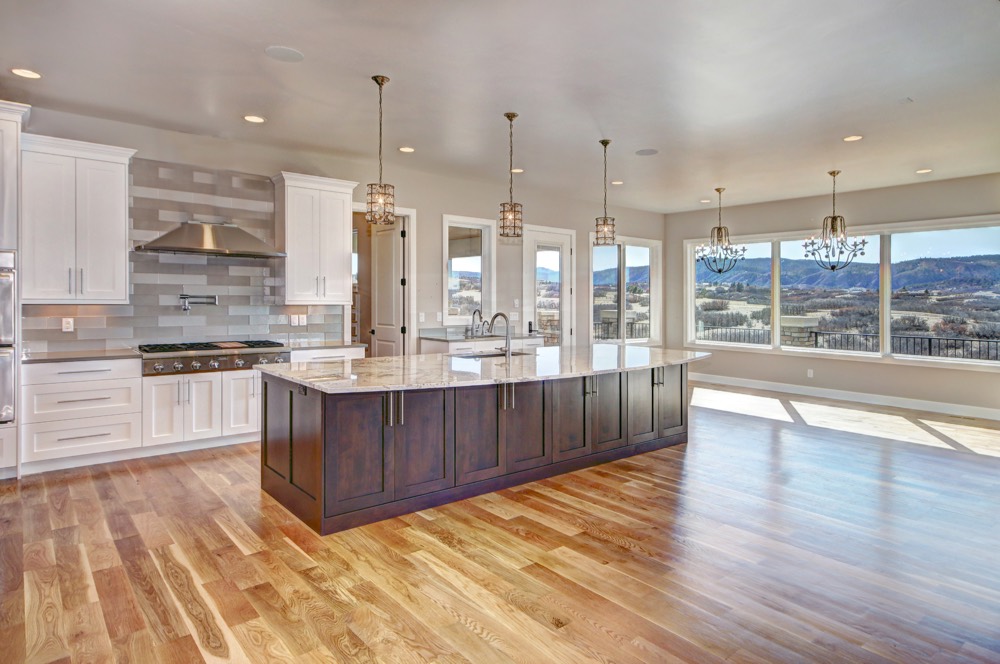
If your Washington kitchen feels a little tired, you’re not alone. A lot of homes in the area have kitchens that work fine—but the surfaces tell you the room has been through years of real life: scratches, stains, outdated colors, and that “why does this feel dark?” vibe. The good news is you don’t need a full gut remodel to make it feel new again.
One of the highest-impact, lowest-chaos upgrades is pairing new countertops with new flooring. When those two elements work together, the entire kitchen looks refreshed—even if you keep your cabinets and layout exactly the same.
Start with your floor. The kitchen is where life happens: spills, dropped pans, pets begging for snacks, kids running in and out. A durable floor you don’t have to baby makes everything easier. Many homeowners like laminate here because it’s stylish, practical, and easy to maintain. If you want to see what “modern laminate” looks like, you can browse laminate flooring styles and get a sense of the colors that fit your cabinets.
Now, your countertops. Countertops are the “eye level” feature—when friends walk in, that’s one of the first things they notice. The best countertop choice is the one that matches how you cook and how you live. If you’re always prepping meals, you’ll want something durable and easy to clean. If you love entertaining, you might care more about color and the way it looks next to your backsplash.
Here’s a quick pairing trick that works beautifully in a lot of Washington kitchens: if your cabinets are warm (think honey oak or creamy off-white), a floor with subtle warm undertones and a countertop that stays neutral will keep everything feeling cohesive. If your cabinets are cool (white, gray, or darker stains), a warmer wood-look floor can add balance so the room doesn’t feel chilly.
Small kitchens have their own rules. Lighter floors can make the room feel bigger. Wider plank looks can feel modern without needing more square footage. And keeping the floor pattern calmer (less busy grain or fewer contrasting colors) can help a smaller space feel clean and open.
What about hardwood in the kitchen? It can be beautiful, especially in open layouts where the kitchen flows into the living room. If you love that seamless look, hardwood can absolutely work—just talk through finish options and maintenance expectations. If you want help comparing hardwood looks, start with our hardwood info page so you’re confident about what you’re choosing.
Don’t forget the “transition moments.” In many kitchens, the floor meets a hallway, a dining room, or a mudroom. Clean transitions make your upgrade look intentional. The same goes for edge details on countertops—those small choices are what make a refresh look custom.
If you’re trying to keep the project low-stress, here’s a simple approach: pick your countertop first if you’re changing cabinet color, and pick your floor first if your cabinets are staying as-is. That way, you’re always matching the second choice to something that isn’t moving.
Need ideas that fit your home’s vibe? Our inspiration gallery is a great place to start because you can see how different floors and finishes play together in real spaces.
And if you want a second set of eyes, that’s what we’re here for. Bring photos, bring cabinet samples, bring your “I’m not sure what my style is” questions—we’ll help you narrow it down without making it complicated.
When you’re ready, you can request a free estimate or reach out through our contact page. We’ll help you create a countertop + floor plan that makes your Washington kitchen feel brand new—without turning your house upside down.
One last thing: don’t underestimate the “small decisions” like trim color, plank direction, and transitions. Those details are what make a project feel polished—not just installed.
If you’d like, bring a few photos of your space and tell us what you’re hoping to change. We’ll help you get from “too many choices” to a short list that actually makes sense for your home.
And remember: the best floor is the one that fits your life. A gorgeous floor you’re afraid to use won’t feel like a win—so choose the option that lets you relax and enjoy your home.
If you’d like, bring a few photos of your space and tell us what you’re hoping to change. We’ll help you get from “too many choices” to a short list that actually makes sense for your home.