
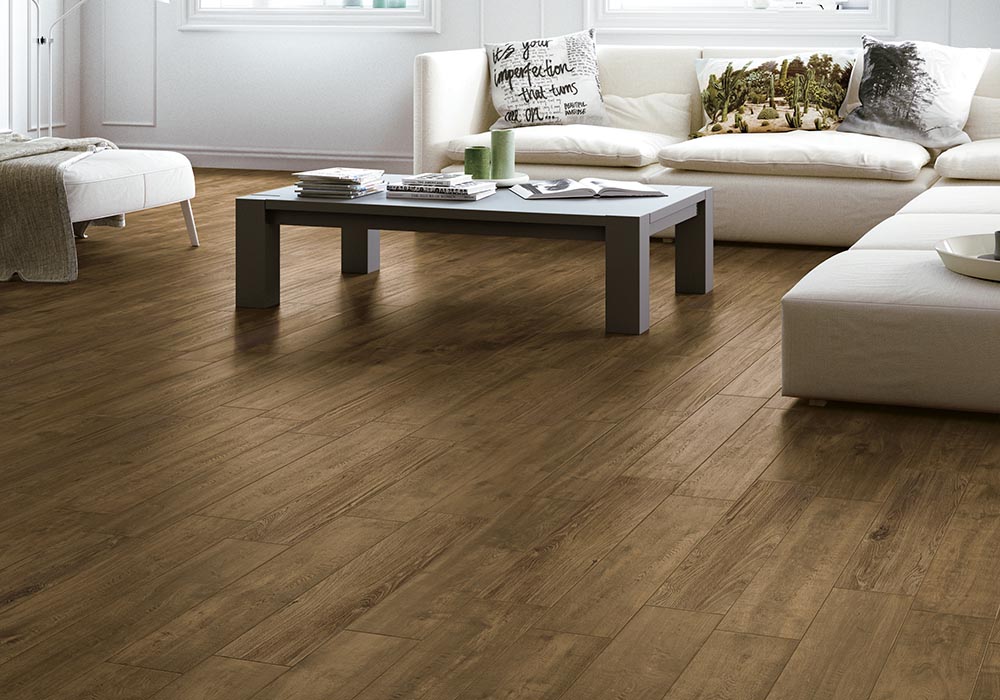
Picture a February afternoon in Washington, NJ: kids stomp in from the driveway, boots crusted with road salt, melting snow dripping across your entryway. By dinner, you notice a white haze and gritty film on the hardwood near the door. That mix of salt, sand, and moisture is exactly what shortens a floor’s life in our Highlands winters.
Below are practical, homeowner-level steps to keep hardwood looking good through years of snowstorms and plow slush.
How Salt and Snow Actually Damage Hardwood
Road salt doesn’t just look messy. The crystals are abrasive, so every step grinds tiny scratches into the finish. As snow and ice melt off boots, that salty water seeps into seams and micro-scratches, dulling the sheen and, over time, reaching the wood itself.
Dry indoor air from heating systems adds another problem. Hardwood naturally shrinks in low humidity, so winter often brings small gaps between boards. If meltwater sits in these gaps, it can darken edges or cause slight cupping. A solid understanding of how wood behaves in our climate helps you choose finishes and routines that work; Washington Flooring’s hardwood flooring guide explains those basics in more depth.
Build a Better Entryway Defense
The best protection starts before salt ever touches the planks. In older homes around Clinton and Hackettstown, entries are often small, so every square foot has to work hard.
Start with an outdoor scraper mat to knock off the worst of the slush. Just inside the door, add a thick, absorbent runner that reaches far enough for several steps, not just one. Many homeowners pair tile or luxury vinyl at the threshold with hardwood a few feet in; you can compare materials that handle wet boots well in the waterproof flooring options section of Washington Flooring’s catalog.
If your foyer flows directly into stairs, think about how those treads handle winter traffic too. Coordinating new floors with matching staircase upgrades keeps the first impression consistent and avoids having worn steps next to fresh hardwood.
Daily and Weekly Winter Cleaning That Actually Works
Quick, consistent cleanup matters more than any fancy product. As soon as you see white rings or a gritty feel underfoot, dry-mop or vacuum with a hard-surface setting to remove crystals before they scratch.
For film or residue, use a cleaner made for polyurethane-finished wood—never vinegar, steam, or oil soaps, which can cloud the finish. Lightly dampen a microfiber pad and work in small sections so water doesn’t sit. If you’re unsure what kind of finish you have, the team at Washington Flooring can help you identify it while you browse engineered hardwood flooring that’s built for the Highlands’ seasonal swings.
Aim for a quick sweep in high-traffic areas every day or two during heavy storm weeks, plus a more thorough clean on weekends. This rhythm keeps salt from building up into a stubborn film that takes aggressive scrubbing to remove.
Plan Ahead for Future Hardwood Projects
If you’re replacing floors in a Long Valley mudroom or main hallway, choosing the right construction and finish now will make future winters easier. Engineered hardwood handles the dry‑to‑humid swing between February and July better than traditional solid planks, reducing gapping and edge wear in busy entries.
In homes where the front hall flows into a staircase, many families tackle both at once so color and sheen match from the foyer to the second floor. Washington Flooring’s staircase replacement systems make that kind of coordinated upgrade straightforward, especially in older Highlands houses with dated railings and treads. If you like to compare options visually, you can also preview flooring in your space using photos of your own entryway before committing to a new look.
Ready to Protect or Upgrade Your Hardwood?
Winter is tough on wood, but with smart entryway setups, consistent cleaning, and the right products, your floors can handle years of salt and snow. The team at Washington Flooring treats every project like it’s for their own home, from downtown Washington colonials to newer builds on the outskirts of Stewartsville. Stop by either showroom to talk through your specific entry and staircase layout, or request your free estimate to start planning a floor that stands up to New Jersey winters.