
A floor that looks perfect in February can start showing gaps, cupping, or subtle movement by late July. That pattern is familiar in homes around Long Valley, where muggy stretches and sharp seasonal swings put real stress on wood. The fix is not avoiding hardwood altogether. It is choosing the right construction from the start.
Why summer humidity changes the conversation
Solid planks react more dramatically to moisture because each board is made from a single piece of wood. In a North Jersey home, that matters. Summer humidity rises, indoor conditions shift, and wood naturally expands. Then winter heat pulls moisture back out. Over time, those cycles can punish the wrong material.
That is why many households end up better served by engineered hardwood. Its layered construction is built to stay more stable through seasonal change, which helps reduce the dramatic movement that often worries homeowners. If you love the look of real wood but want something better suited to the Highlands climate, that construction usually makes more sense than a traditional solid plank.
Not all engineered products perform the same way
Construction matters, but so does the wood itself. A thinner wear layer and lower-quality core may save money up front, yet they often give back that savings in disappointment. Better products feel sturdier underfoot, finish more cleanly at transitions, and hold up more confidently in busy homes.
Washington Flooring carries respected hardwood lines, and their Appalachian collection is worth a close look if you want classic domestic styling with dependable build quality. For homeowners drawn to bolder grain, richer color variation, or harder exotic species, Indusparquet hardwoods bring a different set of visual and performance advantages. The point is not to chase a trend. It is to match the board to the way your house actually lives through August humidity, winter dryness, kids, pets, and daily traffic.
Installation details matter as much as the material
Even a well-made floor can disappoint if it is rushed into place. Proper acclimation is critical in this region because wood needs time to adjust to interior conditions before installation begins. Subfloor moisture testing matters too, especially in homes where spring thaw and wet weather can influence lower levels and entry areas.
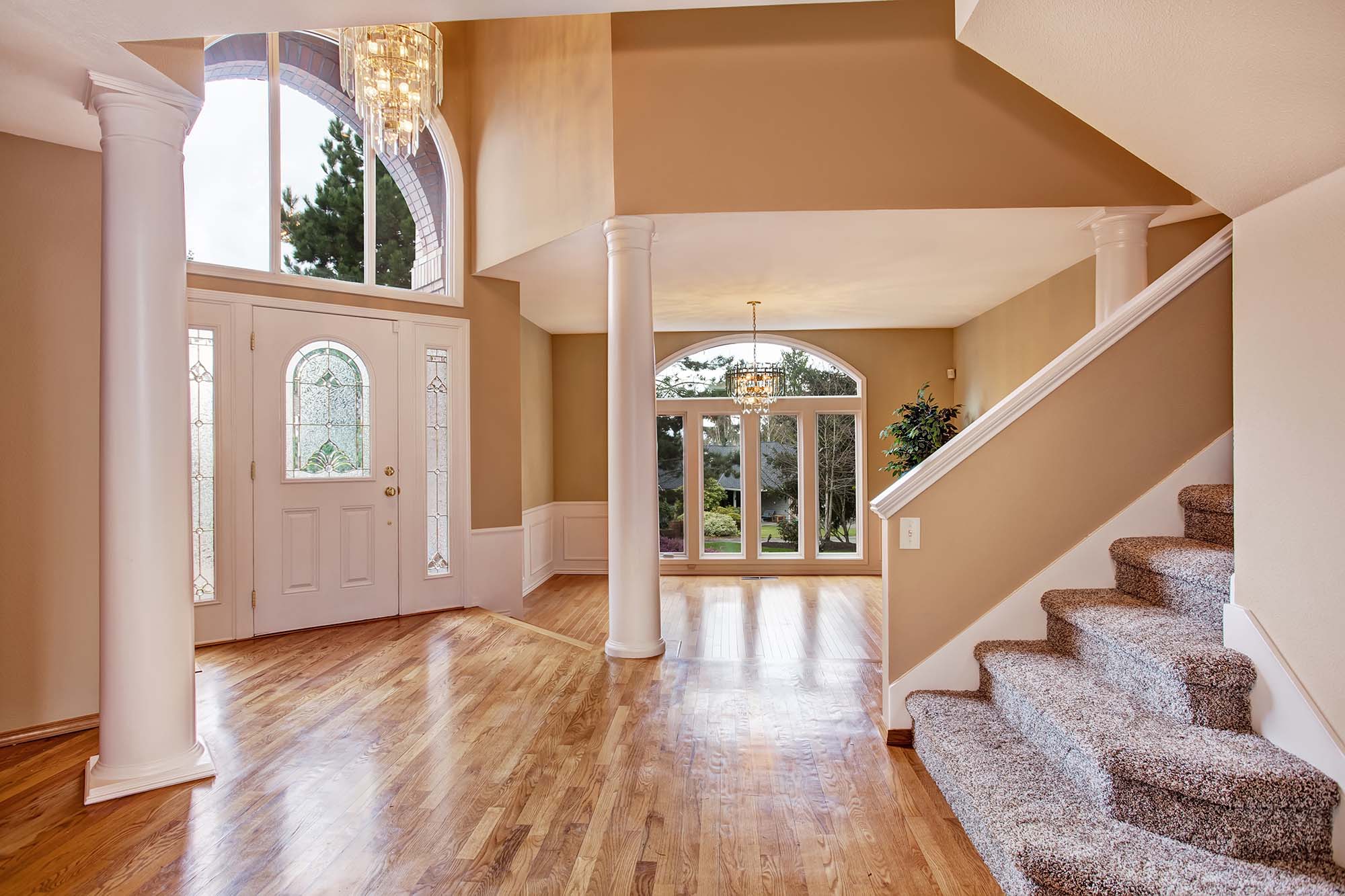
A good installer also looks beyond the main rooms. If the project includes steps, coordinating the flooring with staircase services creates a cleaner visual transition and avoids the pieced-together look that happens when stairs are treated as an afterthought. That detail is especially important in open layouts, where one mismatched surface can pull your eye away from everything else you updated.
Style still matters, but practicality should lead
In Washington, NJ, many homeowners want warmth and character without signing up for constant worry. Engineered wood gives you room to think about width, texture, and tone without ignoring the realities of moisture and temperature shifts. Wider planks, for example, can look beautiful, but they perform best when the product and installation plan are chosen carefully.
If you want a clearer sense of how different colors and plank visuals might look with your walls, cabinets, and natural light, the flooring visualizer can help narrow the field before you visit a showroom. That makes the in-person conversation more productive, especially if you are comparing several species or deciding between a clean contemporary look and something more rustic.
A humid summer does not mean giving up on hardwood. It means choosing a floor built for real seasonal movement and having it installed with care. If you want help comparing products in person, stop by the Washington or Long Valley showroom, or request a free flooring estimate to get started.