

It starts with a crunch underfoot in January — road salt ground into the grain of the oak near the front door. By March, the entryway planks have swelled just enough that a seam you never noticed before catches your sock. July brings humidity so thick the floors feel different under bare feet, and by October, dried leaves and fine grit are everywhere. Hardwood floors in northwestern New Jersey don't just sit there looking pretty — they respond to every turn of the seasons. Knowing what each one brings makes the difference between floors that show their age in five years and floors that still look remarkable after twenty.
Winter: Salt, Snow, and Desert-Dry Air
The most immediate threat to hardwood during a Highlands winter isn't the cold itself — it's what comes inside with you. Road salt and melting snow puddled near entry doors can strip finish, discolor wood, and work grit deep into the grain. A heavy-duty entrance mat inside and outside every exterior door is your first line of defense, but it's not enough on its own. Wipe up wet boots immediately. Dry-mop or vacuum entry areas every few days during heavy snowfall stretches — more often if your household includes kids or a dog with wet paws.
Then there's the invisible problem: indoor humidity plummets when the furnace runs for months. Solid hardwood planks lose moisture and contract, opening gaps between boards that weren't there in October. A whole-home humidifier set to 35–50% relative humidity protects both your floors and your comfort. If that's not practical, a few well-placed room humidifiers in the spaces with the most hardwood can make a substantial difference. This seasonal contraction is also why many homeowners in older Washington homes eventually turn to engineered hardwood flooring — its cross-ply construction resists the dimensional swings that solid wood can't avoid.
Spring: The Thaw Brings Water Where You Don't Want It
As snowbanks shrink and the ground softens, spring moisture finds its way into basements, mudrooms, and garage-adjacent entries. The Musconetcong and South Branch Raritan rise, and homes on low-lying streets in Clinton and Stewartsville deal with dampness that creeps upward. For hardwood on ground-level or below-grade floors, this is the riskiest stretch of the year.
Check basement dehumidifiers now — before you notice the musty smell. Clean the coils, make sure the drain hose is clear, and set the target around 45–50%. If your hardwood sits on a concrete slab, look for cupping at plank edges. That slight upward curl is the earliest warning sign of moisture wicking from below. Catching it in March means you might only need to address the humidity source. Ignoring it through April means refinishing or replacement by June. For more on how hardwood construction affects moisture tolerance, the team has put together a practical overview of hardwood fundamentals that covers installation, species selection, and long-term care.
Summer: Humidity Tests Every Plank
Come July, the problem reverses. Outdoor humidity in the 80–90% range pushes indoor levels well above 60% without air conditioning. Hardwood absorbs that moisture and expands. Boards that gapped during winter press against each other. If the expansion has nowhere to go — because the installer didn't leave adequate perimeter spacing — floors can buckle at the center of a room.
Running the AC consistently during the hottest weeks isn't just about comfort. It's a humidity control strategy disguised as cooling. Keep interior doors open to rooms with hardwood so air circulates evenly. If you leave for a week's vacation in August, set the thermostat no higher than 78°F — turning it off entirely can create a humidity spike that takes days to recover from. These seasonal realities are part of why oak hardwood flooring remains so popular across the Highlands — its natural stability and grain structure hold up better than many alternatives through repeated expansion and contraction cycles.
Fall: The Season to Get Ahead of the Damage
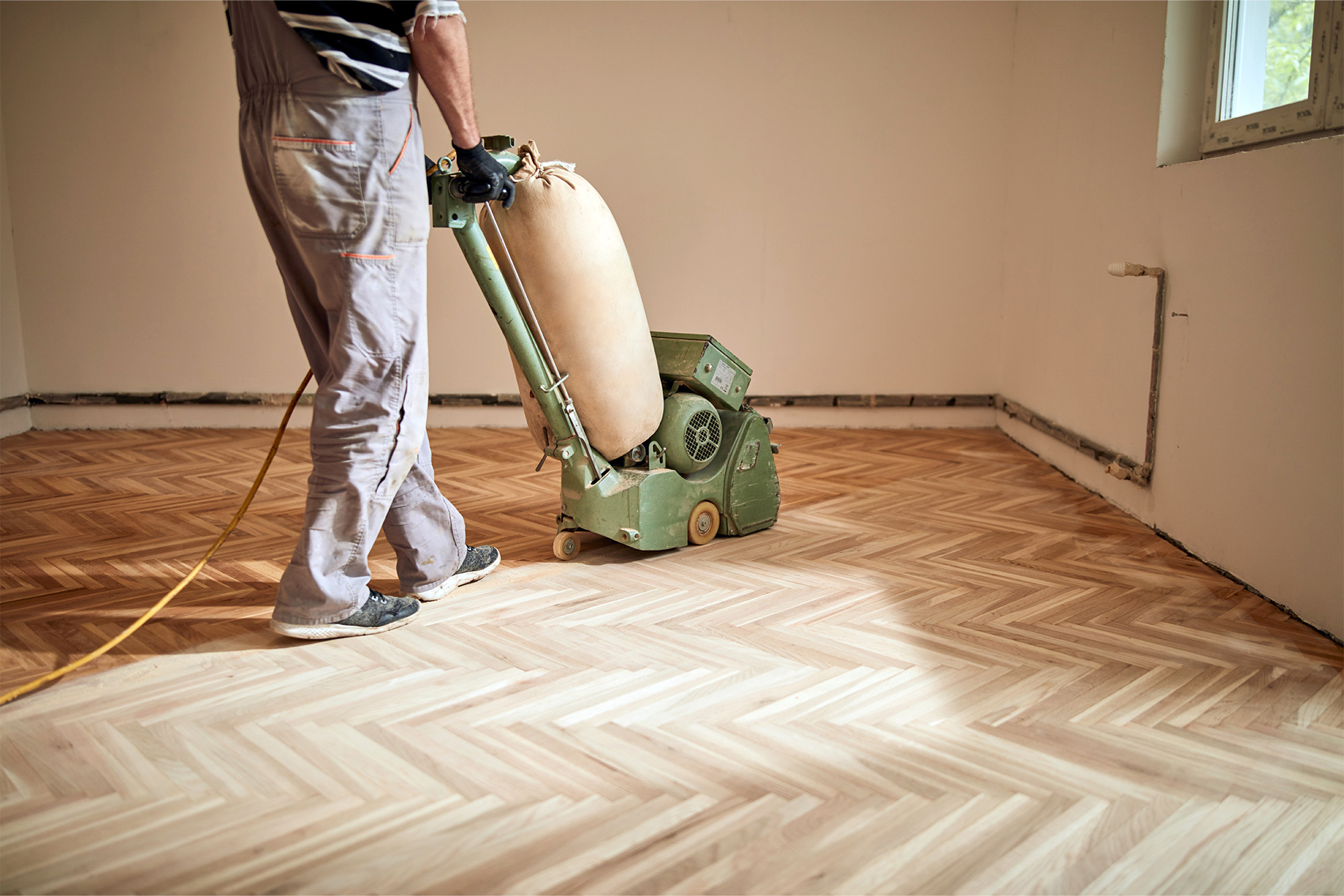
Fall is the reset button. The air dries out to a healthy middle ground, and your floors settle into their most stable state. This is the window for the maintenance that gets them through the rest of the year. Deep-clean every hardwood surface — not just sweeping but a thorough pass with a hardwood-safe cleaner that removes the summer's accumulated oils, pollen residue, and fine grit. Inspect the finish near entry doors, under dining chairs, and along kitchen pathways. If the polyurethane is wearing thin in those high-traffic zones, a screen-and-recoat now — before the salt and snow arrive — can prevent raw wood exposure that winter would exploit.
It's also the right time to look at trouble spots from last year. Gaps that never fully closed. Cupping that didn't flatten out. A dull patch that cleaning won't revive. The professionals at Washington Flooring see these seasonal patterns every year and can help you sort routine wear from problems that need attention — whether that means a maintenance visit or planning a professional installation with materials built for this climate.
Hardwood floors in this part of New Jersey earn their character the hard way — through freeze-thaw cycles, humidity swings, and everything tracked in on a winter boot. The good news is that most seasonal damage is preventable with the right habits at the right time of year. Stop by either showroom in Washington or Long Valley to talk through what your floors are up against, or schedule your free estimate and have one of our team members assess your home in person.


