
Older homes have a way of telling you what belongs. In a place like Clinton, original millwork, divided-light windows, and formal room layouts often look best with flooring that feels grounded rather than trendy. The challenge is choosing a hardwood species that respects that character while still handling busy households, winter salt, and the humidity swings that are part of life in northwestern New Jersey.
Oak still earns its place
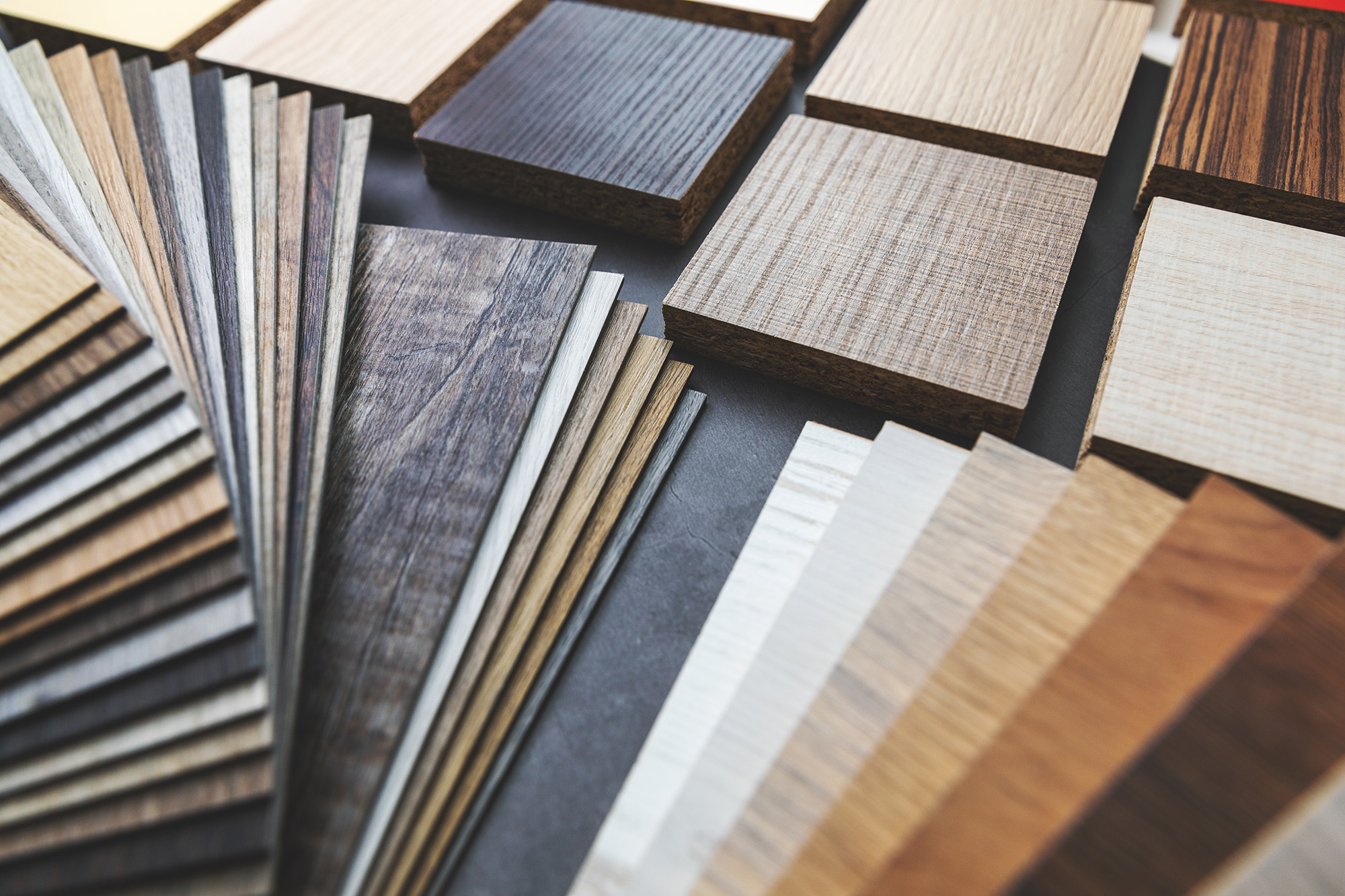
Oak remains the safest fit for many historic-style interiors because its grain looks familiar in traditional homes without feeling plain. Red oak brings warmer undertones and a bit more visual movement, while white oak reads calmer and slightly more tailored. Both take stain well, which matters if you are trying to match existing trim or create a floor that looks like it could have always been there.
That flexibility is one reason so many homeowners start by comparing oak hardwood styles. It gives you a clearer sense of how board width, color, and finish can shift the mood from early-American warmth to something cleaner and more transitional. For houses with older architectural details, the best floor often looks settled, not showy.
Maple, hickory, and walnut each solve a different design problem
Maple works well in rooms where you want a smoother, more refined surface. Its grain is quieter than oak, so cabinetry, plaster texture, and painted trim get more attention. That restraint can be useful in formal dining rooms or front parlors where too much grain would compete with the rest of the space.
Hickory goes in the opposite direction. It has stronger contrast, more movement, and excellent hardness. In active households, that toughness matters, especially near entry points where snowmelt and road salt can wear on a finish. Walnut is softer, but it offers a richness that suits libraries, studies, and bedrooms better than high-traffic mudroom zones. A broader look through the hardwood flooring collection can help you compare those personalities side by side before narrowing down species alone.
Engineered construction usually makes more sense here
Species is only half the decision. Construction matters just as much in this region because old homes rarely stay at one stable humidity level. Winter heating dries the air, spring thaw adds moisture, and summer can bring enough humidity to stress a solid plank floor. That is why engineered hardwood is often the smarter choice for historic-style interiors that need stability without giving up a real wood surface.
A closer look at engineered hardwood options shows why they fit so many renovation projects in this area. They handle seasonal movement better than solid planks, which helps protect gaps, cupping, and other avoidable problems. For homeowners visiting the Washington showroom first, that conversation often becomes less about trend and more about what will still look right after several New Jersey winters.
The finish and surrounding details matter more than most people expect
The right species can still feel off if the finish is too glossy or the transitions are ignored. Historic-style rooms usually look better with lower-sheen finishes and textures that soften everyday wear instead of spotlighting every scratch. In many homes, the staircase deserves equal attention. A beautiful new floor loses continuity if the steps still reflect an older stain color or builder-grade profile.
That is where coordinating with staircase services becomes valuable. Matching treads, risers, and adjacent flooring creates a more believable result, especially in homes where the stairs sit in the main sightline from the front entry. If you want to compare wood tones and grain in person, the Long Valley showroom offers another easy place to sort through species without guessing from a small sample.
A historic-style home does not need a floor that feels precious. It needs one that fits the architecture, handles the climate, and wears in a graceful way. If you want help narrowing the field, you can request a free in-home estimate and get practical guidance on species, construction, and finish before making the call.