

Most people shopping for hardwood floors start the same way: they walk into a big-box store, scan a few displays, and assume every brand offers roughly the same thing. The differences between hardwood manufacturers, however, run far deeper than color swatches. Milling tolerances, finish durability, species sourcing, and construction engineering all separate forgettable floors from ones that last decades — and that's exactly where Appalachian Flooring earns its reputation.
A Hardwood Specialist That Sticks to What It Knows
Appalachian Flooring operates out of Canada with a singular focus: domestic hardwood species, milled and finished to standards that mass-market brands rarely match. The company works exclusively with North American hardwoods — oak, maple, hickory, birch, and walnut — rather than chasing trends in imported exotics or engineered alternatives developed overseas.
That specialization shows in the details. Appalachian's milling process holds tighter tolerances than industry norms, which means planks lock together with fewer gaps and less seasonal movement. Their factory-applied finishes use multiple coats of aluminum oxide-enhanced urethane, creating a wear layer that resists scuffs and fading far longer than entry-level alternatives. For homeowners who plan to stay put and want floors they won't need to refinish in ten years, that difference compounds quickly.
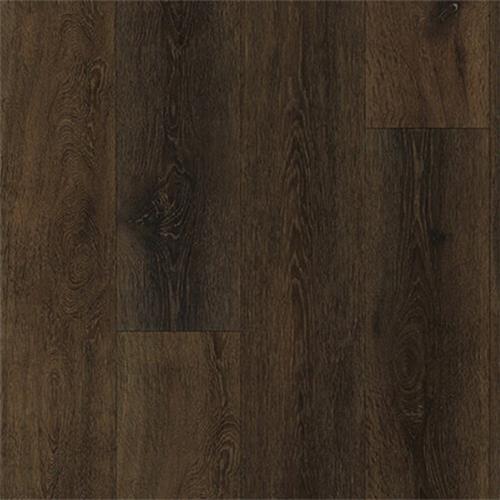
You can browse the full Appalachian Flooring hardwood collection to see how their domestic species lineup compares to what big-box retailers carry. The contrast in grain clarity and finish depth is immediately visible.
Why Engineered Construction Matters for New Jersey Highlands Homes
Northwestern New Jersey's climate puts real stress on hardwood. Winter heating drops indoor humidity low enough to open gaps between boards, while summer moisture swells those same planks right back. Over enough seasons, poorly milled solid hardwood can cup, crown, or develop permanent gaps that no amount of humidity control can fully reverse.
Appalachian's engineered hardwood lines address this directly. A cross-ply core — layers of real wood bonded in alternating grain directions — resists the expansion and contraction that plagues solid planks. The top wear layer remains genuine domestic hardwood, so you get the same oak or hickory surface you would with a solid floor. What you don't get is the dimensional instability.
Engineered construction is not a compromise here — it's the smarter choice for this region. Pair that precision milling with a stable core, and you have a floor that stays flat through Highlands winters and humid summers alike. For homes in Washington or Clinton where original hardwood floors have already warped from decades of seasonal swings, the upgrade is particularly meaningful.
Our showrooms carry both engineered hardwood and solid options, so you can compare how each construction type handles the region's climate challenges firsthand.
Domestic Species That Age Gracefully
Appalachian's species palette deliberately avoids the exotic. You won't find Brazilian cherry or tigerwood here — those belong in a different conversation. Instead, the brand leans into what North American forests do best.
Oak hardwood flooring remains the most popular choice, and Appalachian's white oak selections show why. The tight, consistent grain takes stain evenly and hides wear gracefully over time. Hickory, by contrast, delivers dramatic color variation and a Janka hardness rating that handles pets, kids, and decades of foot traffic without complaint. Maple brings a lighter, more contemporary feel that works beautifully in kitchens and open-plan living spaces.
Each species comes in multiple width options and finish tones, which means you're not locked into a single aesthetic. Wide-plank white oak with a matte finish feels entirely different from narrow-strip maple with a satin sheen, even though both come from the same manufacturer.
For anyone weighing the long-term investment, our hardwood flooring guide walks through the practical differences between species, construction types, and finish options — including how Appalachian compares to other brands we carry.
Seeing the Difference in Person
Appalachian Flooring isn't a name you'll stumble across at a home center. The brand partners with independent flooring retailers who invest in the expertise to sell and install premium hardwood properly. That means the collection you browse online represents only part of the story — the real test is walking across a finished plank, angling it toward the light, and feeling the weight and grain under your fingers.
Both of our showrooms stock Appalachian products alongside other domestic and exotic brands, so you can compare side by side rather than guessing from a website photo. Stop by our Washington or Long Valley location to see the collection in person, or schedule your free estimate and we'll bring samples directly to your home.


